

MiniMax’s AI Revenue Soars 283% Amid Strategic R&D-Driven Losses
AI Company MiniMax Reports Significant Revenue Growth and Strategic Losses
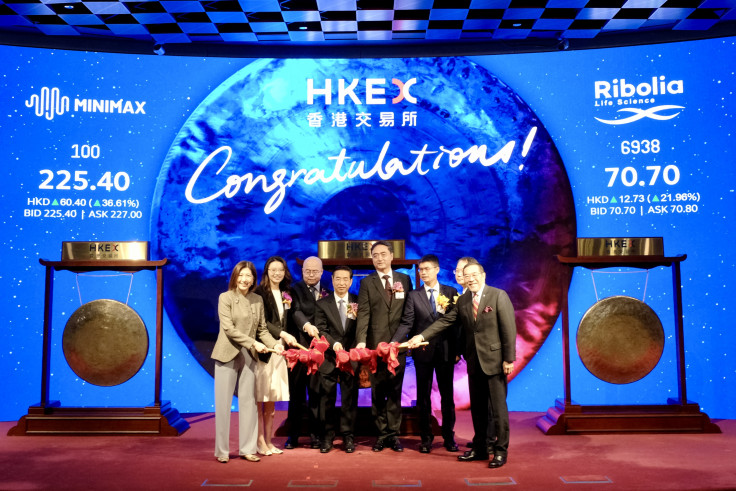
MiniMax Group's revenue nearly quadrupled in the first half of 2026. So did its adjusted losses. According to the Hong Kong-listed AI company, that's not a warning sign — it's the plan.
MiniMax (HKEX: 00100) reported total revenue of $116.6 million for the six months ended June 30, up 283.1% from $30.4 million a year earlier, according to the company's interim results released Wednesday. That already tops the $79 million MiniMax booked for all of 2025. Gross margin improved to 17.9% from 12.1%.
Adjusted net loss more than doubled to $293 million, from $138.7 million a year earlier. The reason: research and development spending jumped 138.8% to $296.9 million, as MiniMax poured money into training and upgrading its foundation models. MiniMax noted that R&D growth ran well below its 283% revenue growth, which it framed as a sign of improving efficiency even as the total spend climbed.
Founder and CEO tied the spending to demand on MiniMax's platform, saying token consumption had grown 20 times over since January. His framing for the strategy: "minimize the cost, maximize the intelligence."
The adjusted-loss number is not the full picture. MiniMax's loss under standard accounting rules actually narrowed, to $358 million from $402.2 million a year earlier. The gap between the two figures comes down to one-off items — mainly a swing in the fair-value accounting on financial liabilities tied to preferred shares that converted into ordinary equity around MiniMax's Hong Kong listing in January. Strip those out, along with share-based pay and listing costs, and the adjusted loss is the wider, R&D-driven number the company is pointing to.
Most of MiniMax's growth came from its Open Platform and enterprise AI services, where revenue jumped 703% to $73.9 million and now makes up 63% of total sales, up from 30% a year ago. Revenue from consumer-facing products like Hailuo AI grew a more modest 101%, to $42.6 million.
MiniMax's cash balance stood at $1.32 billion as of June 30, up from $1.05 billion at the end of 2025.
The results land as analysts weigh how long China's AI upstarts can keep burning cash before turning a profit. JPMorgan, in a research note in mid-August, kept a neutral rating on MiniMax while raising its price target to HK$260 from HK$160, but flagged that the company's current M3 model hasn't clearly separated itself on price or capability from rivals like Kimi and Zhipu's GLM series. The bank pointed to MiniMax's next model, M3.1, as the catalyst that will decide whether the stock re-rates.
MiniMax's management is scheduled to hold a call with investors Wednesday evening.