Alibaba Closes Record HK$80 Billion Share Sale for AI Push
Alibaba's largest-ever Hong Kong share placement to boost AI capabilities

Alibaba Group completed a HK$80 billion (about $10.2 billion) share placement in Hong Kong on Wednesday, the company said, wrapping up what bankers are calling the largest primary follow-on stock sale ever done by a Hong Kong-listed company.
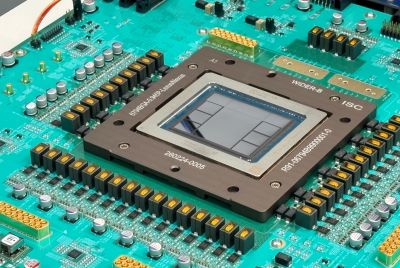
The deal sold 710 million newly issued shares at HK$112.70 apiece, an 8.4% discount to Alibaba's closing price the previous Friday. The new stock represents roughly 3.7% of Alibaba's total shares outstanding, according to a stock exchange filing. Alibaba said it will put 100% of the net proceeds into its "full-stack" AI capabilities, including chips, data centers and cloud infrastructure.
Morgan Stanley, HSBC, UBS and CICC ran the deal as joint bookrunners. Orders reached roughly $28 billion, close to three times the amount on offer, and Alibaba increased the size of the sale after it drew that demand, according to people familiar with the matter. Sovereign wealth funds and other long-only investors took more than 40% of the final allocation.
Alibaba's Hong Kong shares fell as much as 10% after the placement was announced Sunday and remained under the offer price into the week. The stock drop came days after Alibaba reported a 75% year-over-year drop in quarterly profit, to about $1.6 billion, as capital spending on AI approached $10 billion for the quarter even as revenue rose 9%.
It's the company's first share placement since its 2019 Hong Kong listing. Alibaba was also repurchasing stock during the same period, buying back 13.4 million shares for about $162 million in the June quarter, meaning the AI raise still amounts to a large net share issuance.
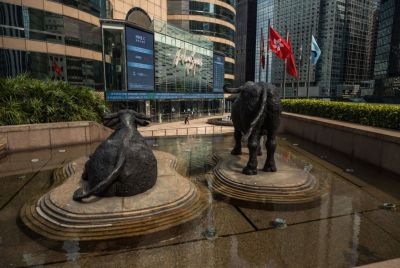
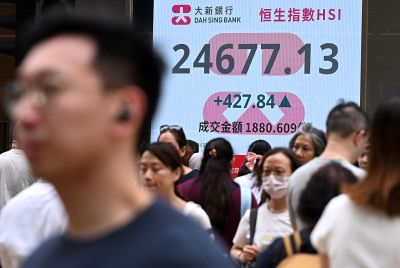
The placement lands in the same stretch as a separate proposal from Hong Kong's index compiler to overhaul the Hang Seng Tech Index, the benchmark that counts Alibaba among its biggest members. Hang Seng Indexes Company has floated expanding the index from 30 to 50 constituents and adding a revenue-growth screen alongside market capitalization. Under the company's own simulated projections, that change would trim the combined weight of the index's top 10 holdings from 70.6% to 66.3%. The consultation isn't a response to Alibaba's placement specifically, and the index already caps any single constituent's weight at 8%; the two developments are simply unfolding in the same window for Hong Kong tech investors to track.
With the placement closed, the money moves straight into Alibaba's AI buildout, the piece of its business that's now driving both its spending and its profit swings.
- MOST POPULAR IN Business