US-Iran War Reignites: Strikes Hit Jordan, Kuwait, Bahrain
US Forces and Iran Engage in Direct Strikes Amid Rising Tensions

US forces struck Islamic Revolutionary Guard Corps targets inside Iran on Tuesday, and Iran hit back within hours with missile and drone attacks on American-linked sites in Jordan, Kuwait and Bahrain, US Central Command and regional officials said. Brent crude jumped to nearly $96 a barrel, its highest level in six weeks.
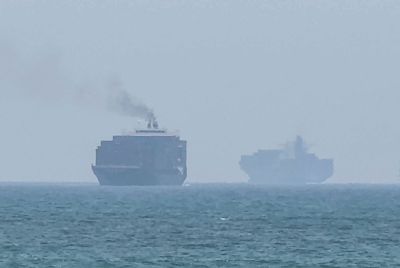
CENTCOM said the strikes hit IRGC air defense, radar, maritime and communications facilities, in response to Iranian attempts to lay mines in the Strait of Hormuz and a recent attack on American troops in the region. President Donald Trump wrote on Truth Social that the operation was "large and powerful" and warned Tehran would face a harsher response if it retaliated.
Iran's Revolutionary Guard said it targeted the US Fifth Fleet in Bahrain, the Ali Al Salem air base in Kuwait and an airbase in Jordan. Bahrain's government said it thwarted the attacks and condemned them as a violation of its sovereignty. Jordan said its air defenses shot down incoming missiles over the Mafraq and Aqaba areas. Kuwait's military said it intercepted drones but reported damage to a water and power facility.
The exchange is the most direct fighting since a fragile pause that followed a June ceasefire memorandum, an agreement that curbed but never fully stopped sporadic strikes through the summer. Tuesday's strikes mark an escalation rather than a fresh outbreak of a war that has run since February.
No casualties had been confirmed from Wednesday's exchange as of publication. Oil traders pushed Brent to its highest price since mid-July, still well below the nearly $120-a-barrel peak the benchmark hit in April, when Strait of Hormuz flows were disrupted most severely.
Trump said a larger American strike was "waiting in the wings" if Iran continues to respond, without specifying a timeline.
- MOST POPULAR IN World