

Another Fed Governor Backs Rate Hike, Odds Hold at 66%
Barr's Remarks Echo Fed Chair's Hawkish Stance as September Meeting Approaches
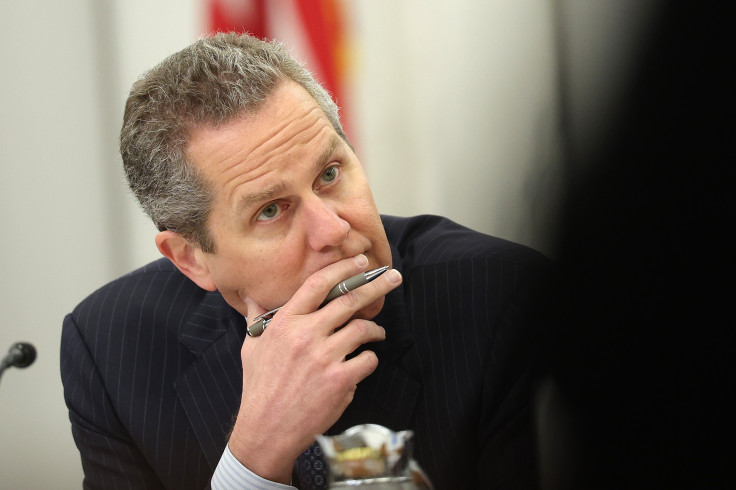
Federal Reserve Governor Michael Barr said Tuesday the central bank should raise interest rates if inflation fails to cool, becoming the second sitting Fed official in a week to embrace a September hike, with market-implied odds holding at 66%.
Speaking at the Second Chance Lending Forum in Washington, D.C., Barr said in prepared remarks that "if inflation appears not to be moderating sufficiently, then I think we should act decisively to raise rates." He left himself an out: if incoming data show inflation moving back toward the Fed's 2% target, he said, "we can take a bit more time to assess our policy stance."
Barr is a permanent voting member of the Federal Open Market Committee, which meets Sept. 15-16 to set the Fed's benchmark rate, currently 3.50%-3.75%. CME Group's FedWatch tool put the odds of a quarter-point hike at that meeting at 66% Tuesday — roughly where they had already stood since Monday, after jumping from around 30% ahead of Fed Chair Kevin Warsh's hawkish Jackson Hole address on Aug. 28.
Barr's remarks echoed that speech, in which Warsh said the Fed had "work to do" if inflation didn't improve.
"Inflation remains too high — and has been for over five years," Barr said, pointing to the Fed's preferred gauge, the PCE price index, which he said stood at 3.7% year-over-year in July and 3.3% on a core basis, the highest since 2023, according to Reuters.
He called consumer spending "largely resilient" and the labor market "stable," pointing to AI investment as a source of underlying strength — a more upbeat read on growth than his warning on prices, per CNBC.
S&P 500 E-minis fell 0.61% and Nasdaq 100 futures dropped 1.20% ahead of Tuesday's open, extending a rocky start to September, historically the weakest month for U.S. stocks.
A Fed hike would ripple through Hong Kong's U.S. dollar-pegged rate system, adding pressure to HIBOR and mortgage costs for local homeowners.
Traders get two more data points before the Fed decides: the consumer and producer price indexes for August, both due next week.