US-China Trade Dispute Escalates: Beijing Vows Action Over New 7.5% Tariff Proposal
China's Commerce Ministry responds to potential US tariff increase, citing concerns over protectionism and economic politicization.
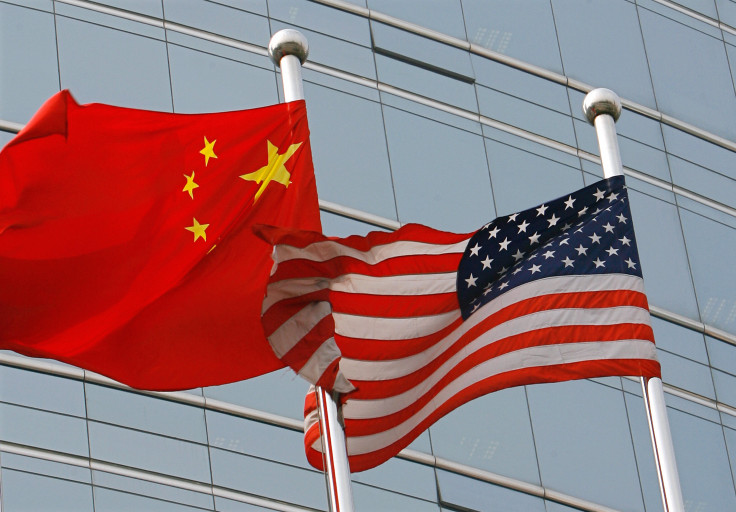
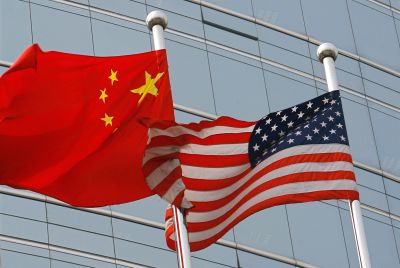
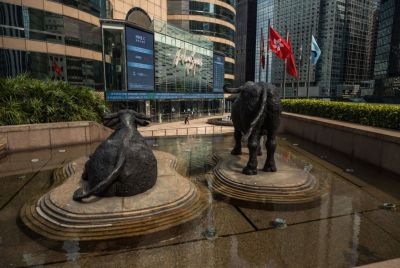
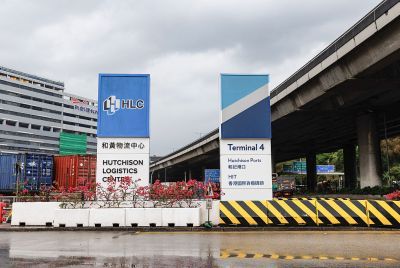
China's Commerce Ministry pushed back Thursday against reports that Washington is weighing an additional 7.5% tariff on Chinese goods, warning it would track any US follow-through closely and "reserves the right to take all necessary measures." For Hong Kong, wired into mainland supply chains as the region's trade and finance hub, the dispute lands directly on cross-border exporters and GBA manufacturers watching how it plays out.
Ministry spokesperson Huang Ling told the ministry's regular briefing in Beijing that Washington's approach "politicized economic and trade issues" and amounted to "a typical act of unilateralism and protectionism." Production capacity, Huang said, should be judged comprehensively, objectively and fairly rather than used to justify protectionist measures.
The proposed levy stems from a Section 301 "excess manufacturing capacity" investigation the US Trade Representative opened in March, covering 16 economies including China, the European Union, Japan and South Korea. Bloomberg reported Monday that Washington is aiming to finalize the tariff before President Donald Trump and Chinese President Xi Jinping meet in Washington on September 24, a step that would push cumulative Trump-era duties on Chinese goods to roughly 20%.
The figure lines up with a ceiling Beijing says Washington already committed to. China has said the two sides agreed to cap any additional tariffs at 20%; a separate Section 301 duty tied to a forced-labor investigation took effect in July at 12.5%, leaving exactly the 7.5 percentage points now under consideration.
Huang's remarks also referenced a position paper the ministry issued last month, "China's Position on the So-called Excess Capacity Issue," which argues capacity concerns are being used to justify protectionist policy rather than reflect a genuine economic problem.
The USTR has not set a public release date for its findings, and people familiar with the matter told Bloomberg the exact rate has not been finalized. That leaves the question open heading into next month's Trump-Xi meeting, the first since the two leaders' Beijing summit in May.
- MOST POPULAR IN Politics