

Tesla’s 45 Cybercabs Face US Audit, Not China’s Cars
Tesla's driverless Cybercab undergoes a safety audit as US automakers push to ban Chinese connected cars.
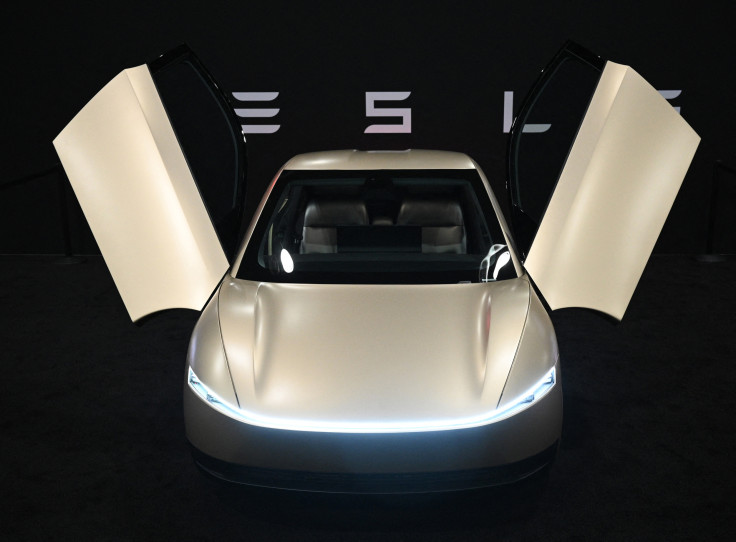
Detroit's biggest automakers asked Congress this week to permanently ban Chinese connected cars. But regulators opened a safety audit into Tesla's own driverless Cybercab just one day later.
That timing challenges the assumption that only foreign-made cars deserve federal scrutiny.
Cybercab's Real Fleet Size Isn't What Headlines Suggest
Many reports cited "1,000 Cybercabs" under review, making Tesla's rollout sound massive. That figure is actually the audit's ceiling — the maximum number of vehicles the file could cover, not cars already on the road.
Texas's own vehicle registry shows just 45 Cybercabs currently operating. Tesla's larger driverless fleet there, 375 vehicles, still uses the older Model Y, which has a steering wheel.
Why Regulators Can Move This Fast
Plain talk: US carmakers don't need government approval before selling a car. They self-certify that it meets federal safety standards, known as FMVSS, and regulators check later.
This audit is that check, not an accusation. An audit query means NHTSA is requesting Tesla's engineering data and self-certification reasoning. It resembles a tax audit more than a lawsuit.
Tesla Chose the Riskier Regulatory Path
Other driverless vehicles, like Amazon's Zoox, entered the market through a federal exemption capped at 2,500 vehicles a year. Tesla skipped that route entirely.
Instead, Tesla self-certified that Cybercab already meets existing safety rules, despite having no steering wheel, pedals, or mirrors. That approach carries no production cap, which is part of why regulators are looking closer.
Tesla Says the Car Is Already Safe
According to Protos, Tesla responded to the audit by maintaining that Cybercab is one of the safest vehicles on the road. The company has not acknowledged any compliance issue.
Same Week, Different Standard for "Unsafe" Cars
The Alliance for Automotive Innovation, representing GM, Ford, Stellantis, Toyota, Volkswagen, and Honda, sent Congress a letter dated Thursday, September 3. It asked lawmakers to permanently bar Chinese connected vehicles, hardware, and software, citing national security concerns.
One day later, federal regulators had questions about a US-made robotaxi missing a steering wheel entirely. Detroit's letter assumes the safety risk sits only across the Pacific.
The open question: will NHTSA's audit findings land before Congress votes on the China ban — and will lawmakers apply the same safety standard to both?