

Why Tesla’s China Discount Isn’t Called a “Price Cut”
Exploring Tesla China's recent incentives and their implications on pricing strategy and market dynamics.
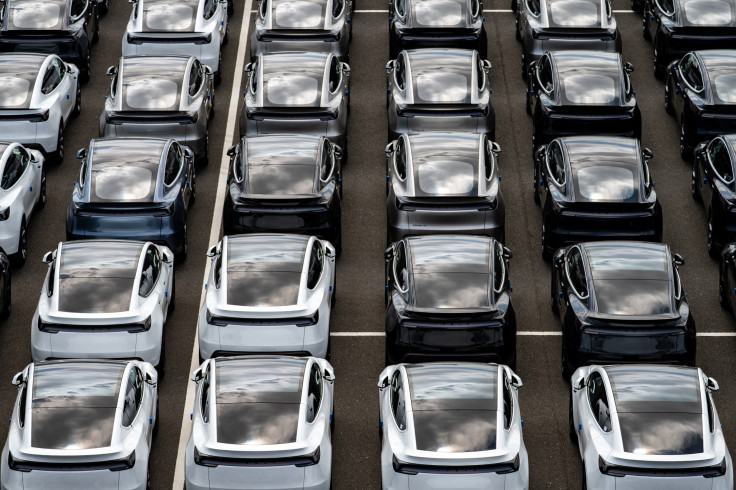
On September 7, Tesla China rolled out four stacked incentives — a cash reduction of up to 10,000 yuan on in-stock Model Y and 5,000 yuan on Model 3, an 8,000-yuan paint credit, an 8,000-yuan insurance subsidy on Model 3, and five-year interest-free financing — all tied to orders placed and delivered by September 30. English-language outlets have already covered the announcement and largely filed it under "price cut." That's not wrong, but it skips two things: how carefully Tesla's own language avoids that exact framing, and what the company's latest earnings show about how much room it has to keep discounting.
Tesla's promotional material doesn't describe a list-price reduction. Every discount applies only to existing inventory units, requires both order and delivery inside a roughly three-week window, and is structured as a deduction from the final payment rather than a change to the sticker price — a distinction multiple outlets independently noted when covering the announcement. It's the first cash incentive on Shanghai-built cars since late 2024, following a stretch in which Tesla relied on insurance subsidies and 0% financing rather than direct discounts to move inventory.
That structural caution has a precedent. In January 2023, hundreds of recent Tesla buyers gathered outside showrooms and delivery centers across China after the company cut prices for the second time in three months, arguing they'd overpaid for cars bought just weeks earlier. Tesla didn't offer compensation, and the backlash became one of the more visible instances of consumer anger a Chinese EV brand has faced. Whether that history is the specific reason this round is framed as a temporary, inventory-only clearance rather than a posted price cut isn't something Tesla has said outright — but it's the kind of reputational cost a straightforward markdown risks reopening, and no English coverage so far has drawn that line.
The other piece missing from the coverage is timing. Tesla's second-quarter 2026 results, reported in July, showed automotive gross margin excluding regulatory credits at 16.3%, down roughly 290 basis points from 19.2% in the first quarter. Regulatory credit revenue — a near-pure-profit line — fell to $146 million from $439 million a year earlier and from $380 million the prior quarter. Tesla's own CFO, Vaibhav Taneja, attributed most of the sequential drop to one-time warranty and tariff items that had flattered the first quarter's numbers, saying margins would look roughly flat once those are stripped out. That caveat matters: it means the numbers don't, on their own, prove Tesla's margin cushion is shrinking heading into a promotional push. What they do show is that the credit revenue that once padded results is largely gone and hasn't come back. Whether that leaves Tesla with less room to sustain incentives like this one through the rest of the quarter — or whether the September push is simply routine quarter-end inventory clearing that would have happened regardless — is a question the current reporting hasn't tried to answer.
This article is for informational purposes only and does not constitute investment advice. Figures are drawn from public sources cited below.