

Xi Jinping to Lead Major Chinese Business Delegation to Washington Amidst Trade Tensions
China's Largest Business Delegation Since 2015: What It Means for US-China Relations
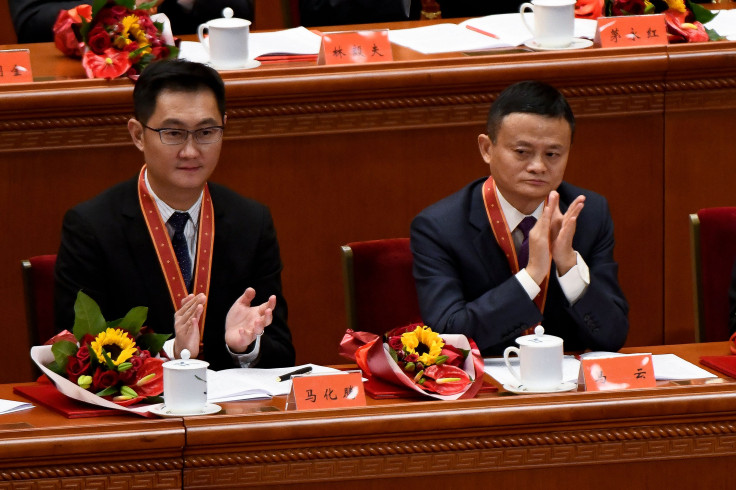
Xi Jinping is preparing to bring a large delegation of Chinese business leaders to Washington. The trip is planned around a September 24 summit, Reuters reported September 4, citing two sources.
Western readers might assume this is routine summit choreography. That assumption doesn't hold up. Beijing's last comparable CEO delegation, in 2015, preceded a five-year regulatory crackdown on entrepreneurs.
A Business Delegation Is Never Just Business
For US readers, a president traveling with company executives is unremarkable. For Beijing, it's different. China hasn't sent a major business delegation abroad with Xi since 2015. That was before Beijing's 2020-2023 crackdown on tech, private tutoring and real estate firms, which pushed tycoons like Jack Ma out of public view for extended periods.
Reuters described the planned delegation as potentially Beijing's largest show of business diplomacy since that crackdown began. So far, that characterization has only been reported by Reuters. Reuters also compared the possible delegation's scale to the 2015 trip, a comparison not yet independently confirmed elsewhere. A separate report from the South China Morning Post on August 30 described the guest list as still under discussion at the time, citing four sources.
The 2015 Playbook: Jack Ma, Pony Ma and a $38 Billion Deal
Xi's 2015 state visit set the precedent Beijing may be trying to recreate. He brought Alibaba's Jack Ma, Tencent's Pony Ma and senior state-company executives to Seattle and Washington. That trip produced a $38 billion deal for 300 Boeing aircraft, confirmed by multiple outlets including the Japan Times and CNA.
Washington Says It Doesn't Know Yet
The White House said it wasn't aware of any Chinese CEO delegation plans, according to the same Reuters reporting, as carried by the Japan Times. That statement leaves open how far talks have progressed on the US side. It also underscores that, as of early September, the plan remained a Chinese-side preparation rather than a confirmed bilateral arrangement.
Jensen Huang's Alaska Boarding Pass Hints at How Fluid These Lists Can Be
A precedent from May shows how late these delegations can change, even on the American side. When Trump made a state visit to China on May 13-15, Jensen Huang wasn't originally on the CEO list. Trump called Huang by phone on May 13 and invited him after Air Force One had already departed, according to CNBC, the New York Times and Business Insider. Huang boarded during a refueling stopover in Alaska, joining roughly 17 to 18 CEOs on the final list, including Elon Musk and Tim Cook.
The Real Deliverable Isn't a Photo Op — It's a Tariff List
May's summit also produced a mechanism called the Board of Trade. It isn't a new tariff agreement. It's a consultation process where both sides propose "non-sensitive goods" for possible reciprocal tariff cuts. Each side is weighing roughly $30 billion worth of products, according to Newsweek and trade-law firm Mayer Brown. Semiconductors and rare earths are excluded, since both governments treat them as national-security items. No final list has been published.
The open question is who ends up on the plane. Whether Xi's delegation matches the scale of the 2015 trip, or falls short of it, will only be confirmed once a final attendee list appears closer to September 24.