

Labubu Made Pop Mart a Global Star. Now Its Overseas Sales Are Falling for the First Time.
Pop Mart's overseas revenue declines as Labubu's popularity wanes, raising questions about the brand's global sustainability.
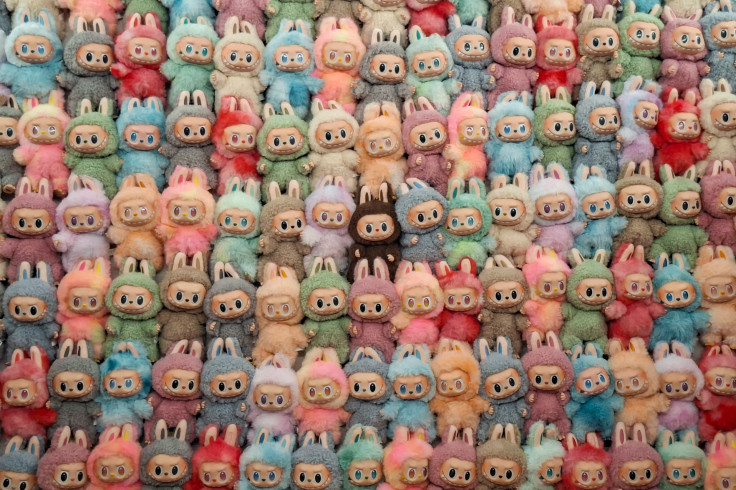
For two years, Labubu was the proof that a Chinese brand could conquer the world. The snaggle-toothed elf turned a Beijing blind-box retailer into the most-watched name in consumer goods — showing up on celebrity handbags, in resale bidding wars, even on a co-branded fridge. Then the numbers for the first half of 2026 came in, and the story changed.
Pop Mart's overseas revenue fell for the first time since it went global — down about 11% year on year to roughly 4.97 billion yuan (about $700 million). The Labubu-led "The Monsters" family, once the engine of everything, slipped to 26% of total revenue. Founder Wang Ning admitted the company's 20% full-year growth target would be hard to hit. Its Hong Kong shares dropped as much as 8.9% on the report.
A cooldown, not a collapse
This isn't a crash. Overall company revenue still grew 23.8% to 17.17 billion yuan, powered by a sharp rebound at home in China. The problem is specifically overseas — the exact market that made Labubu a global phenomenon in the first place.
The regional split tells the story. In plain terms: the places that fell in love with Labubu fastest are cooling fastest. The Americas dropped 16.5%, Asia-Pacific fell 9.7%, and Europe was the only overseas region still growing, up 5.9%. A year ago, US international sales were up 475% in a single quarter. That kind of frenzy doesn't hold forever.
The real question: a brand, or a moment?
Here's what makes this more than a bad quarter. Pop Mart is discovering, in public, the difference between exporting a product and exporting a brand. Labubu was a product that went viral. The test now is whether Pop Mart is a company people keep coming back to, or a company that rode one very cute wave.
Management's answer is that Labubu was never the whole story. Chief Operating Officer Si De told Bloomberg that non-Labubu items already make up about half of US sales, and in Japan, South Korea and Southeast Asia, other characters are the majority. The company is pushing hard on newer IPs — Crybaby, Skullpanda, Dimoo, and a fast-rising line called Twinkle Twinkle, which grew revenue more than 580% to 2.65 billion yuan. Each of several non-Labubu characters now pulls in over 1 billion yuan on its own.
What to watch next
Three signals will tell you which way this breaks. First, whether overseas revenue stabilizes or keeps sliding in the second half — one down quarter is a cooldown, two is a trend. Second, whether any of the newer characters can travel the way Labubu did, or whether they only sell well in Asia. Third, whether Pop Mart's newer overseas bets — its first Singapore store on Sentosa, its London European headquarters, a dessert concept called Pop Bakery — turn into repeat foot traffic rather than one-time curiosity. Labubu proved a Chinese toy could go global. Whether Pop Mart can stay global is the harder question, and 2026 is where it gets answered.